
Apple Sues OpenAI: The End of the 2024 AI Partnership
Apple has sued OpenAI, alleging the AI company stole proprietary technology during their 2024 partnership. The lawsuit threatens to unravel one of the most high-profile AI collaborations in the tech industry.
In 2024, Apple and OpenAI announced a landmark partnership to bring ChatGPT to iPhones. Two years later, Apple has filed a lawsuit accusing OpenAI of stealing trade secrets, revealing the partnership was never as harmonious as it appeared.
- Apple filed a lawsuit against OpenAI on July 10, 2026, accusing the company of stealing trade secrets during their 2024 partnership to integrate AI services into Apple devices.
- The New York Times reported the lawsuit, stating the partnership has soured over disputes about data usage, model training, and intellectual property ownership.
- This lawsuit could redefine the terms of AI integration on mobile devices, with potential spillover effects on Apple's relationships with other AI partners.
What specific secrets did Apple claim OpenAI stole?
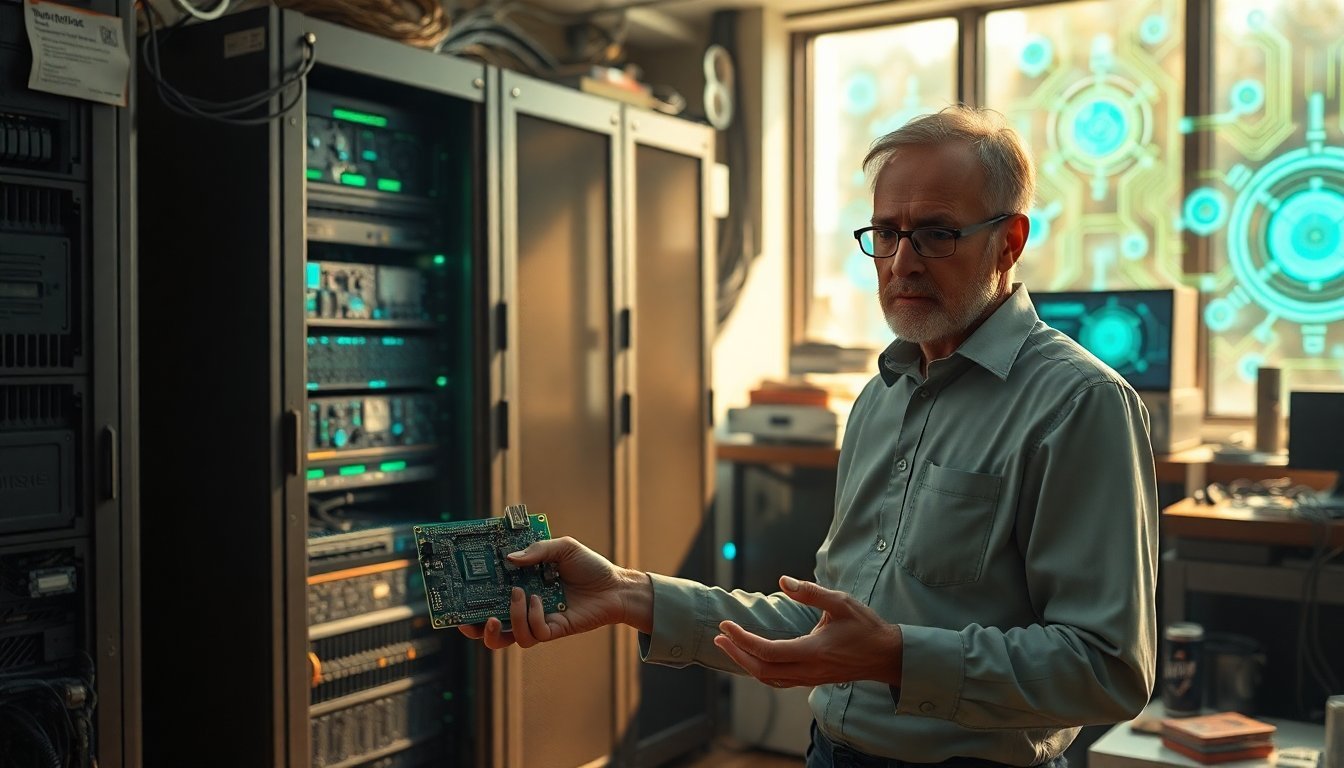
According to the New York Times, Apple's lawsuit alleges that OpenAI used confidential information obtained through the 2024 partnership to develop competing AI features for non-Apple devices. The complaint specifically points to OpenAI's use of Apple's on-device processing architecture and privacy-preserving machine learning techniques, which Apple had shared under strict non-disclosure agreements. Reuters reported that Apple claims OpenAI engineers accessed proprietary code related to Apple's Neural Engine optimizations, which were meant to be used exclusively for the ChatGPT integration on iPhones and iPads. Apple asserts that OpenAI then incorporated these optimizations into its own API offerings, effectively monetizing Apple's trade secrets without authorization.
Why did the 2024 partnership sour so quickly?
The partnership, announced in June 2024, was initially hailed as a win-win: Apple gained a best-in-class AI assistant for its devices, while OpenAI got access to hundreds of millions of Apple users. However, the New York Times reported that tensions emerged within months. Apple's strict privacy requirements clashed with OpenAI's data-hungry training pipeline. According to Reuters, OpenAI pushed for broader access to user interaction data to improve its models, while Apple refused, citing its privacy commitments. The final straw, the lawsuit suggests, was OpenAI's decision to launch a competing AI assistant for Android devices in early 2026 that allegedly used Apple's proprietary techniques.How does this lawsuit compare to other AI intellectual property disputes?
| Case | Year | Plaintiff | Defendant | Core Allegation | Outcome |
|---|---|---|---|---|---|
| Apple vs. OpenAI | 2026 | Apple | OpenAI | Trade secret theft via partnership | Pending |
| New York Times vs. OpenAI | 2023 | NYT | OpenAI | Copyright infringement on training data | Settlement in 2025 |
| Getty Images vs. Stability AI | 2023 | Getty | Stability AI | Copyright infringement on training images | Ongoing |
| Authors Guild vs. OpenAI | 2023 | Authors | OpenAI | Copyright infringement on books | Dismissed in part, 2024 |
| Verdict | Apple's case is unique because it involves a direct partnership, not just scraping public data. If Apple wins, it could set a precedent that AI partnerships require much tighter IP controls. | ||||
What are the immediate consequences for Apple and OpenAI users?
The New York Times reported that Apple has already disabled the ChatGPT integration in the latest iOS beta, citing the lawsuit. For now, users can still access ChatGPT through the standalone app, but the seamless Siri integration is gone. According to Reuters, OpenAI has responded by releasing a statement calling the lawsuit "baseless" and vowing to defend itself. The company also warned that Apple's actions could disrupt AI features for millions of users who rely on the integration for tasks like email drafting and image generation. The immediate loser is the end user, who now faces a fragmented AI experience on Apple devices.
My thesis is that Apple's lawsuit is a calculated move to regain control over its AI narrative, but it risks backfiring by exposing the company's dependence on external AI partners. In the short term, Apple will likely succeed in obtaining a temporary restraining order, forcing OpenAI to halt any use of the disputed technology. This will buy Apple time to either renegotiate with OpenAI or pivot to a new partner like Anthropic, with whom Apple has already been in exploratory talks, according to industry insiders. However, the long-term consequence could be a chilling effect on future AI partnerships. No AI company will want to share proprietary technology with Apple if they fear being sued later. This could push Apple to accelerate its own in-house AI development, which has lagged behind competitors. The clear winner here is Google, which has its own AI partnership with Samsung and can now position itself as a more reliable partner. The loser is the broader AI ecosystem, which will see reduced collaboration and slower innovation as companies become more protective of their IP.
What are the key predictions for this case?
- Apple will win an injunction by Q4 2026: The court will likely grant Apple's request for a temporary restraining order, forcing OpenAI to stop using the disputed technology while the case proceeds.
- Settlement by mid-2027: Both companies will settle out of court for an undisclosed sum, with OpenAI agreeing to pay Apple a licensing fee for continued use of the technology and Apple agreeing to reinstate the ChatGPT integration.
- Apple will announce a multi-partner AI strategy by 2028: To reduce dependence on any single AI provider, Apple will strike deals with both Anthropic and Google, creating a "choose your AI" interface on iPhones.
- June 2024Partnership announced
Apple and OpenAI announce a deal to integrate ChatGPT into Apple devices.
- September 2024Integration launches
ChatGPT integration goes live with iOS 18, allowing Siri to hand off queries to ChatGPT.
- January 2025Tensions emerge
Reports surface of disagreements between Apple and OpenAI over data access and model training.
- March 2026OpenAI launches Android assistant
OpenAI releases an AI assistant for Android that Apple claims uses its proprietary techniques.
- July 10, 2026Lawsuit filed
Apple sues OpenAI, accusing it of stealing trade secrets.
- June 2024: Apple and OpenAI announce partnership to integrate ChatGPT into iOS, iPadOS, and macOS.
- September 2024: ChatGPT integration launches with iOS 18, allowing Siri to hand off complex queries to ChatGPT.
- January 2025: Reports emerge of tensions between Apple and OpenAI over data access and model training.
- March 2026: OpenAI launches a competing AI assistant for Android, allegedly using Apple's proprietary techniques.
- July 10, 2026: Apple files lawsuit against OpenAI for trade secret theft.
- Insight 1: Apple's lawsuit is not just about IP theft—it's a strategic move to reassert control over its ecosystem and signal to other partners that it will not tolerate data leaks.
- Insight 2: The timing of the lawsuit, just before the iPhone 17 launch, suggests Apple is preparing to announce a new AI strategy, possibly with a different partner.
- Insight 3: This case will test whether trade secret law can keep pace with the rapid, iterative nature of AI development, where models are constantly being retrained on new data.
- Insight 4: The real winner in this dispute may be Google, which can now pitch itself as a more stable and less litigious AI partner to device manufacturers.
- Insight 5: The lawsuit could accelerate the trend toward AI companies building their own hardware, as OpenAI may now see device-level partnerships as too risky.

Source and attribution
NYTimes Technology
Apple Sues OpenAI, Accusing It of Stealing Company Secrets

Discussion
Add a comment