
GPT-5.6 Kills the Frontier vs. Efficiency Tradeoff
GPT-5.6 rewrites the cost-capability equation for AI. This article explains what changed, who benefits, and what developers should do next.
Google's new AI image verification for Gemini isn't the content police everyone expects. The real story is about creating a new layer of digital provenance that changes how we trust information, not just flagging what's fake.
Read Full Article →
GPT-5.6 rewrites the cost-capability equation for AI. This article explains what changed, who benefits, and what developers should do next.

Amazon Bedrock AgentCore uses pre-built MCP server connectors and persistent memory to deliver autonomous business intelligence through configuration, not code. This practical explainer breaks down what changed, who benefits, and the operational tradeoffs enterprises must navigate.
Moonshot's Kimi K3 launch has sparked debate about China's AI capabilities, but the more consequential trend is the global surge of affordable, open-weight AI models. Beringea's Karen McCormick explains how this is empowering startups, pressuring frontier labs, and accelerating enterprise adoption.

OpenAI's field report on agentic AI in scientific computing reveals that genomics labs are the early winners, achieving 10x speedups in code modernization. However, the report's own data raises questions about reproducibility and the limits of AI-driven discovery.
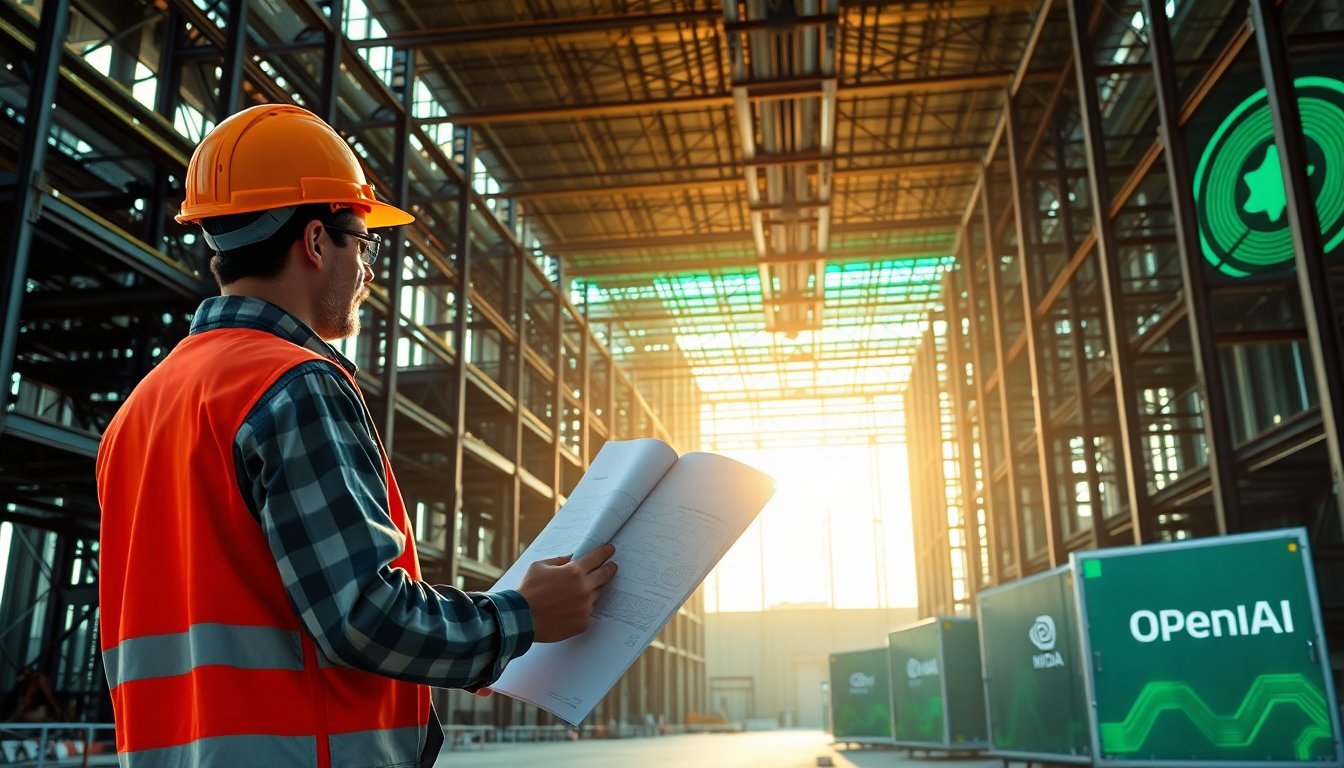
OpenAI and Nvidia are negotiating a $500 billion data center deal that would make Nvidia both the primary hardware supplier and a $250 billion financial guarantor. This unprecedented arrangement signals a new era of AI infrastructure investment and raises questions about market concentration and systemic risk.

Anthropic's Dario Amodei draws a sharp line between open-weight models and Chinese AI, but the distinction may be illusory. This analysis unpacks the strategic implications for Meta, OpenAI, and the global AI safety debate.

Bloomberg's analysis of circular deals between Microsoft, OpenAI, and Nvidia reveals a fragile financial ecosystem. This article examines the systemic risk this creates and who would win or lose in a downturn.

Anthropic's Claude shared chat feature, designed for easy collaboration, has become a data leak vector after Google indexed these supposedly private URLs. The incident exposes a critical oversight in how AI companies balance usability with security.

New OpenAI research reveals that ChatGPT users are taking on tasks across roles, reshaping job boundaries. This article explains what changed, who is affected, and what organizations should do next.

NVIDIA's Cosmos-H-Dreams brings real-time generative simulation to surgical robotics, challenging traditional physics engines. The model promises faster training data generation but faces safety and latency hurdles before it can impact live surgeries.
Satya Nadella's warning about single-model AI dependence is both a genuine security insight and a naked power play to make Microsoft's Azure AI Gateway the mandatory middleman for enterprise AI.

China's vow to retaliate against US sanctions over AI model theft marks a turning point in the global AI race. This analysis argues the sanctions will fail to protect US leadership and instead accelerate China's self-sufficiency, hurting American companies like Nvidia and OpenAI.
Append the next batch without leaving this page.