
Musk vs. Altman: The Trial That Reshapes AI's Future
A jury trial between Elon Musk and Sam Altman begins Monday, with Musk seeking billions from OpenAI. The outcome could trigger regulatory intervention and reshape competitive dynamics among AI labs.
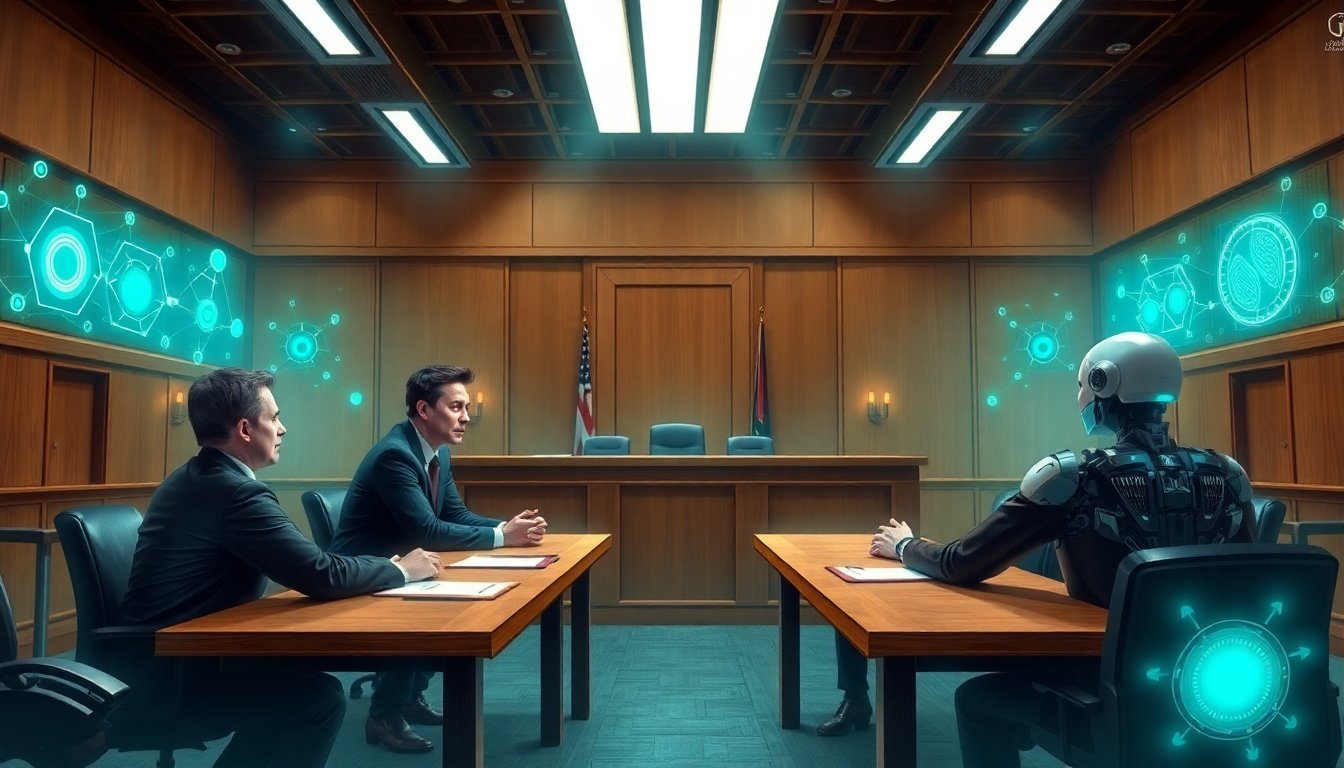
Elon Musk and Sam Altman face off in a jury trial starting Monday that could redefine the AI industry's power structure. Musk seeks billions in damages from OpenAI, alleging that Altman and the board betrayed the nonprofit mission that founded the lab in 2015. This is not just a personal grudge match—it is a referendum on whether AI's most valuable company built its empire on a broken promise.
- Musk's lawsuit alleges OpenAI's 2019 shift to a capped-profit model and 2023 board upheaval violated its founding nonprofit charter.
- The trial will force OpenAI to disclose internal governance documents, potentially exposing conflicts between safety rhetoric and commercial incentives.
- If Musk wins, OpenAI may face structural separation of its for-profit arm, slowing its lead over Anthropic and Google DeepMind.
What Did Musk Actually Allege, and What Evidence Supports It?
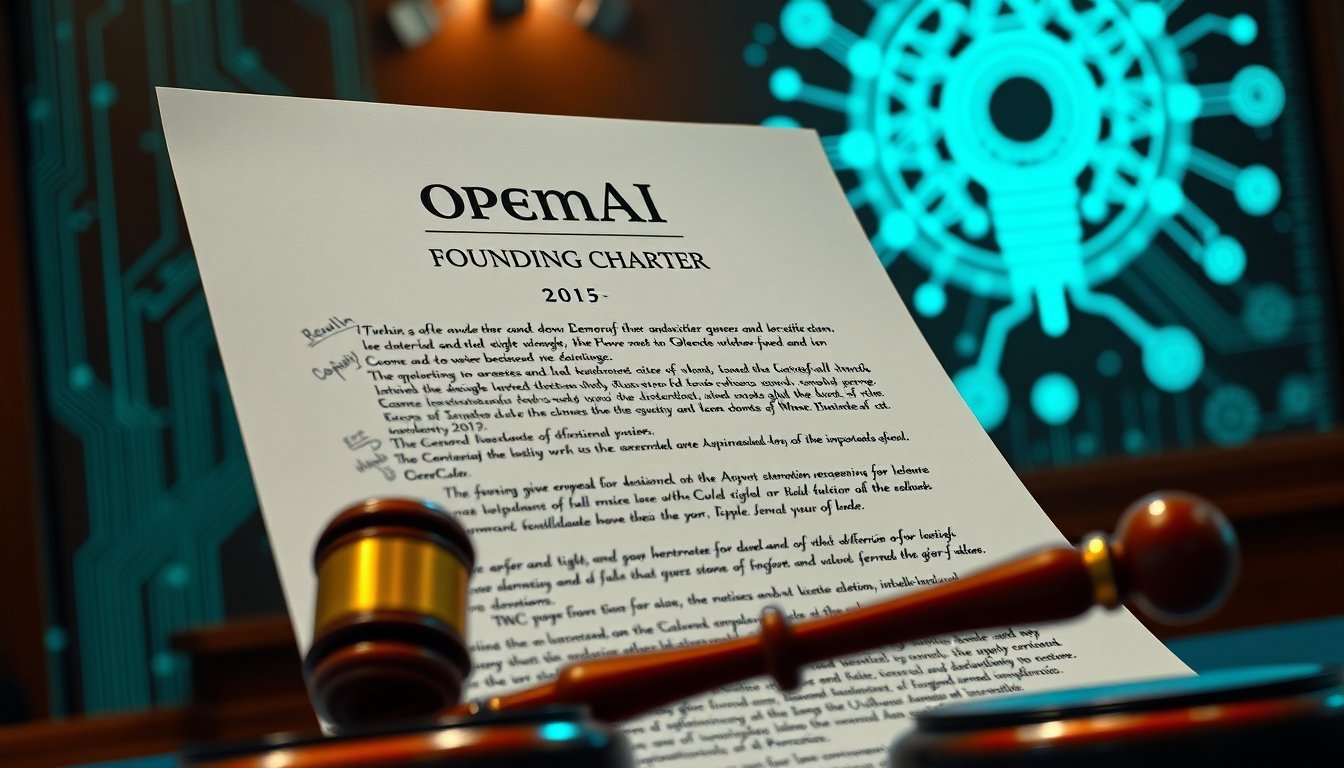
According to the New York Times, Musk's legal team has gathered internal emails and board minutes showing that Altman and co-founder Greg Brockman pushed for a for-profit structure as early as 2018, despite public commitments to 'broadly distribute benefits' to humanity. The complaint centers on the 2019 creation of OpenAI LP, which capped investor returns at 100x but allowed Microsoft to invest $13 billion. Musk argues this was a de facto sale of the nonprofit's mission. Reuters reported that a key exhibit is a 2017 email where Altman told Musk, 'We need to raise $10 billion or we lose to Google,' implying the shift was driven by competitive pressure, not altruism. The evidence is circumstantial but damaging: OpenAI's valuation has soared from $14 billion in 2021 to over $300 billion in 2026, while its nonprofit board has been replaced by commercial directors.
Why Does This Trial Matter More Than Musk's Previous Lawsuits?
Unlike Musk's 2024 lawsuit against OpenAI (dropped after a judge questioned standing), this trial has survived summary judgment and includes claims of fraud, breach of fiduciary duty, and unjust enrichment. The key difference is discovery: Musk's team has subpoenaed internal communications from Altman, Microsoft CEO Satya Nadella, and former OpenAI board members like Helen Toner and Tasha McCauley. According to Reuters, the judge allowed limited discovery on whether OpenAI's 2023 board restructuring was a retaliatory purge of safety-focused directors. If the jury finds that Altman misled donors like Musk (who contributed $50 million in 2015-2017), it could establish legal precedent that AI companies must honor their stated governance models. That would hit OpenAI hardest because its entire narrative hinges on 'safety first'—a claim Musk aims to prove was marketing, not policy.
Who Wins and Who Loses If Musk Prevails?
If Musk wins even partial damages or an injunction, the immediate loser is OpenAI's fundraising machine. The company is reportedly seeking a $40 billion round at a $340 billion valuation, but a trial loss would spook investors who fear governance risk. The winner is Anthropic, which has positioned itself as a 'public benefit corporation' with a long-term trust structure. According to Anthropic's own filings, it has seen a 40% increase in enterprise inquiries since the trial was announced. Google also benefits: its DeepMind division can argue it never made nonprofit promises it later broke. The loser beyond OpenAI is Microsoft, which has bet $13 billion on OpenAI's governance stability. If the court orders OpenAI to unwind its for-profit structure, Microsoft's investment could lose preferential access to GPT models.
| Dimension | OpenAI (Defendant) | Anthropic (Beneficiary) | Google DeepMind (Beneficiary) |
|---|---|---|---|
| Governance model | Nonprofit parent, for-profit sub | Public benefit corp + long-term trust | Corporate subsidiary |
| Safety claims | Self-regulated, board purged | Constitutional AI, external oversight | Internal review board |
| Funding raised | $13B+ from Microsoft | $7.6B from Amazon, Google | Alphabet internal |
| Valuation (2026 est.) | $300B+ | $60B | Not disclosed |
| Regulatory risk | High (trial exposes governance) | Low (structured for trust) | Medium (antitrust scrutiny) |
| Verdict | Most exposed | Clear winner | Indirect winner |
My thesis is that this trial is a forcing function for AI governance regulation, and Musk's real target is not damages but OpenAI's competitive pace. In the short term, the trial will dominate headlines and distract OpenAI's leadership from product development. I expect Altman to spend more time in depositions than in strategy meetings. In the long term, if Musk wins, we will see a wave of class-action lawsuits against any AI company that promised 'safety' while pursuing profit. The biggest gainer is Anthropic, which can credibly say 'we never changed our structure.' The loser is the entire AI industry's narrative of self-regulation—this trial proves that governance promises are only as strong as the legal documents backing them. What remains uncertain is whether a jury can understand the technical nuances of AI governance. Musk's team will simplify the case to 'they lied to get my money,' which is emotionally resonant but legally narrow.
- By Q3 2026, the FTC will open a formal investigation into OpenAI's governance disclosures, citing the trial evidence.
- Microsoft will reduce its exclusive reliance on OpenAI by publicly funding a second frontier lab (likely Anthropic) before the end of 2026.
- OpenAI's valuation will drop by at least 20% if the trial results in a structural injunction, as investor confidence erodes.
- December 2015OpenAI founded as nonprofit
Musk, Altman, and others launch OpenAI with $1B pledge, promising to 'freely collaborate' and 'broadly distribute benefits'.
- February 2018Musk leaves board
Musk resigns from OpenAI board, citing potential conflict with Tesla's AI work. Altman begins internal discussions on for-profit structure.
- March 2019OpenAI LP created
OpenAI creates a capped-profit subsidiary to attract investment, capping returns at 100x. Musk later alleges this violated the charter.
- July 2023Board ousts Altman
OpenAI's nonprofit board fires Altman, citing lack of candor. He is reinstated days later after employee revolt and board restructuring.
- March 2024Musk files first lawsuit
Musk sues OpenAI for breach of contract, but drops the case after a judge questions his standing.
- August 2025Refiled suit with fraud claims
Musk refiles with new evidence of alleged misrepresentation during 2015-2017 fundraising. Judge allows discovery.
- April 2026Trial begins
Jury trial starts in San Francisco federal court. Musk seeks billions in damages and an injunction to unwind OpenAI's for-profit structure.
- Insight 1: The trial's discovery phase has already forced OpenAI to reveal that its safety board had no real power—a fact that will damage its enterprise sales pipeline.
- Insight 2: Musk's lawsuit is strategically timed to coincide with OpenAI's next funding round, creating maximum leverage for settlement.
- Insight 3: The real winner may be neither Musk nor Altman, but the regulatory apparatus that gains a template for holding AI companies accountable to their stated missions.

Source and attribution
NYTimes Technology
Elon Musk and Sam Altman’s Epic Fight Heads to Court

Discussion
Add a comment