

Tencent Moves In After Meta's Manus Deal Dies
Tencent is negotiating to take a controlling stake in Manus after Chinese regulators killed Meta's deal. The move signals Beijing's intent to keep agentic AI under domestic control and positions Tencent as the primary gatekeeper of the technology in China.
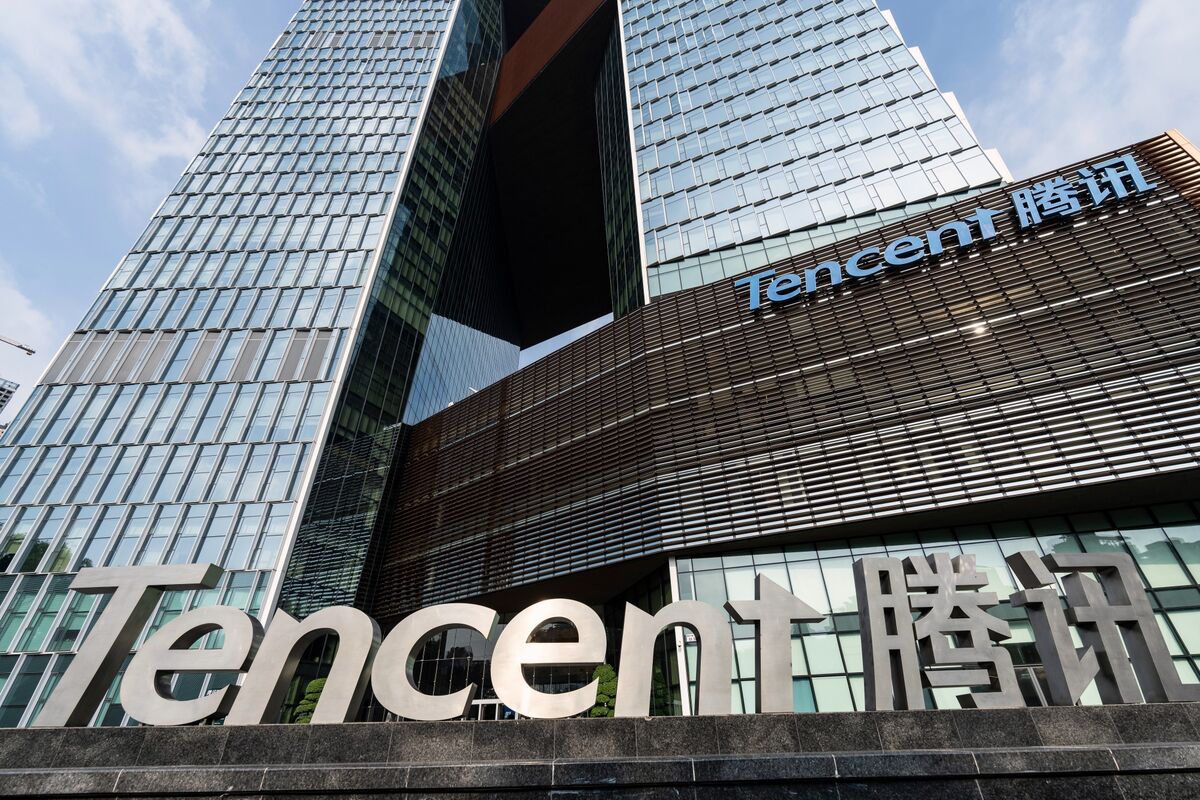
Tencent Holdings Ltd. is in advanced talks to become the largest external shareholder in Manus, the agentic AI pioneer, just weeks after Chinese regulators blocked Meta Platforms Inc.'s blockbuster acquisition of the same company. This is not a simple substitution — it is a strategic realignment that hands control of cutting-edge AI to a Chinese internet giant with deep ties to Beijing.
- What happened: Tencent is in talks to become the largest external shareholder in Manus, replacing Meta as the primary investor after Chinese regulators blocked Meta's acquisition.
- Why it matters: This deal cements agentic AI as a national strategic asset in China, with Tencent acting as the state-aligned steward, while U.S. companies are effectively locked out of the Chinese market.
- Key tension: Can Tencent replicate Meta's global ambitions for Manus, or will the technology remain confined to China's domestic ecosystem under tighter regulatory oversight?
Why Did Chinese Regulators Kill the Meta-Manus Deal?
According to Bloomberg Technology, the original Meta-Manus acquisition was struck down by Chinese regulators who deemed the deal a threat to national security and technological sovereignty. The Financial Times reported that Beijing's review focused on Manus's proprietary agentic AI architecture, which can autonomously execute complex multi-step tasks — a capability that regulators considered too sensitive for foreign ownership. This decision follows a broader pattern: since 2024, China's Cyberspace Administration has tightened approval processes for any AI-related cross-border investment, particularly when the target company has access to large-scale user data or foundational models. The message is clear: agentic AI is not just another tech product; it is a pillar of future economic and military infrastructure.What Does Tencent Gain That Meta Could Not?
Who Loses in This Power Shift?
Meta is the most obvious loser. The company had reportedly committed over $1 billion to the Manus deal and had already begun integrating Manus's agentic architecture into its internal AI systems for content moderation and ad optimization. According to Bloomberg, Meta has not publicly commented on the collapsed deal, but the regulatory rejection represents a significant setback for its global AI ambitions. Beyond Meta, every U.S. AI company eyeing Chinese partnerships now faces a higher bar: the Manus precedent signals that Beijing will block any deal that gives a foreign entity control over a domestic AI leader. Meanwhile, Chinese competitors like Baidu and Alibaba lose ground — they now face a Tencent that has exclusive access to one of the most advanced agentic AI platforms outside of the U.S. **Comparison Table: Tencent vs. Meta as Manus's Lead Investor**| Dimension | Tencent | Meta |
|---|---|---|
| Regulatory Viability | High (Chinese state-aligned) | Low (blocked by regulators) |
| User Base Access | 1.3B (WeChat ecosystem) | 3B (global apps, but locked out of China) |
| AI Infrastructure | Tencent Cloud, Tencent AI Lab | Meta AI, PyTorch ecosystem |
| Agentic AI Use Case | Gaming, advertising, enterprise | Content moderation, ad optimization |
| Global Ambition | Limited by China-first strategy | Global but blocked in China |
| Verdict | Winner: Tencent (domestic control, regulatory alignment) | Loser: Meta (strategic setback, no China access) |
Is This a Good Deal for Manus Itself?
Manus gains regulatory safety and a powerful domestic partner, but it loses the global reach Meta could have provided. According to the Financial Times, Manus's founders had been vocal about their ambition to build a global agentic AI platform, and Meta's acquisition would have given them access to international markets and Meta's massive compute infrastructure. Under Tencent, Manus will likely be confined to China, serving Tencent's ecosystem first. The trade-off is existential: survival and growth in China versus global influence. For now, given the regulatory reality, Tencent is the only viable option. But long-term, Manus may find itself constrained by Tencent's corporate priorities and Beijing's AI guidelines, which require model transparency and content filtering.My analysis: This deal is a clear signal that agentic AI is now a geopolitical chess piece, not just a commercial product. Tencent is not buying a company — it is buying regulatory permission to own the next wave of autonomous AI in China. Short-term, Tencent will integrate Manus's technology into WeChat and Tencent Cloud, creating a domestic agentic AI monopoly that competitors like Baidu and Alibaba cannot match. Long-term, this deal entrenches a bifurcation: U.S. companies will develop agentic AI for global markets, while Chinese companies will develop it under state oversight for domestic use. The loser here is the open-source community — Tencent is unlikely to open-source Manus's core architecture, and Meta's earlier commitment to open-source AI now looks hollow in the face of this regulatory wall. I predict that within 12 months, Tencent will launch a WeChat-integrated agentic AI assistant powered by Manus, and Beijing will cite this deal as a model for future AI acquisitions.
What Are the Falsifiable Predictions?
1. Tencent will launch a Manus-powered agentic AI assistant on WeChat by Q3 2027. The integration will focus on e-commerce and customer service, leveraging Manus's autonomous task execution. 2. China's Cyberspace Administration will publish new guidelines for agentic AI acquisitions by Q1 2027, explicitly requiring domestic majority ownership for any company with foundational agentic capabilities. 3. Meta will abandon its China AI strategy entirely by mid-2027 and redirect its $1 billion Manus budget to European or Indian agentic AI startups.- Q1 2026Meta announces Manus acquisition
Meta announces a blockbuster deal to acquire Manus, an agentic AI pioneer.
- Q2 2026Chinese regulators launch review
Chinese regulators begin a national security review of the Meta-Manus deal.
- June 2026Regulators block Meta-Manus deal
Chinese regulators formally reject the Meta acquisition of Manus.
- July 2026Tencent enters exclusive talks
Tencent enters exclusive negotiations to acquire the stake Meta was forced to abandon.
What Should Investors and Competitors Watch For?
Investors should track Tencent's next earnings call for any mention of Manus integration costs and revenue projections. Competitors like Baidu and Alibaba will likely accelerate their own agentic AI acquisitions to avoid being left behind. The broader market should watch for regulatory spillover — if Beijing uses this deal as a template, every AI startup in China will need a domestic majority owner before seeking foreign investment. According to Bloomberg, the deal is not yet finalized, and valuation remains a sticking point. If the talks collapse, Manus could face an existential crisis — no foreign buyer and limited domestic alternatives.- Tencent's acquisition of Manus is a geopolitical necessity, not a commercial choice — Beijing will not allow agentic AI to be foreign-owned.
- Meta's exit from the Chinese AI market is now permanent; the company should pivot to India or Europe for agentic AI talent.
- Manus's global ambitions are effectively dead under Tencent; the company will become a domestic infrastructure provider.
- This deal will accelerate China's agentic AI regulation, creating a template for future acquisitions.
- The open-source community loses: Tencent has no incentive to open-source Manus's core technology.
Source and attribution
Bloomberg Technology
Tencent in Talks to Take Big Manus Stake After Meta Deal Unwound




Discussion
Add a comment