
🔥 The 'She Doesn't Exist' Meme Format
Use this viral skepticism template to roast overly-perfect online content
This collective skepticism started with a single Reddit post and three loaded words. Now, it’s forcing everyone to question what they see online, blurring the line between reality and AI fabrication right before our eyes.
Ever had that feeling where you see a photo of someone so cool, so effortlessly perfect, that a little voice in your head just whispers, "Nope. Fabricated." Welcome to the internet's latest collective side-eye, summed up in three glorious words: She doesn't exist.
This whole thing blew up from a Reddit thread where someone posted a picture of a stunning, seemingly flawless woman. Instead of the usual compliments, the top comment was simply that phrase. The discussion, with thousands of upvotes, wasn't about hating; it was about a shared, hilarious skepticism. The internet decided this person's vibe was so curated, so algorithmically perfect, that she had to be a digital mirage—a corporate AI test, a stock photo come to life, or an avatar created to sell us skinny jeans.
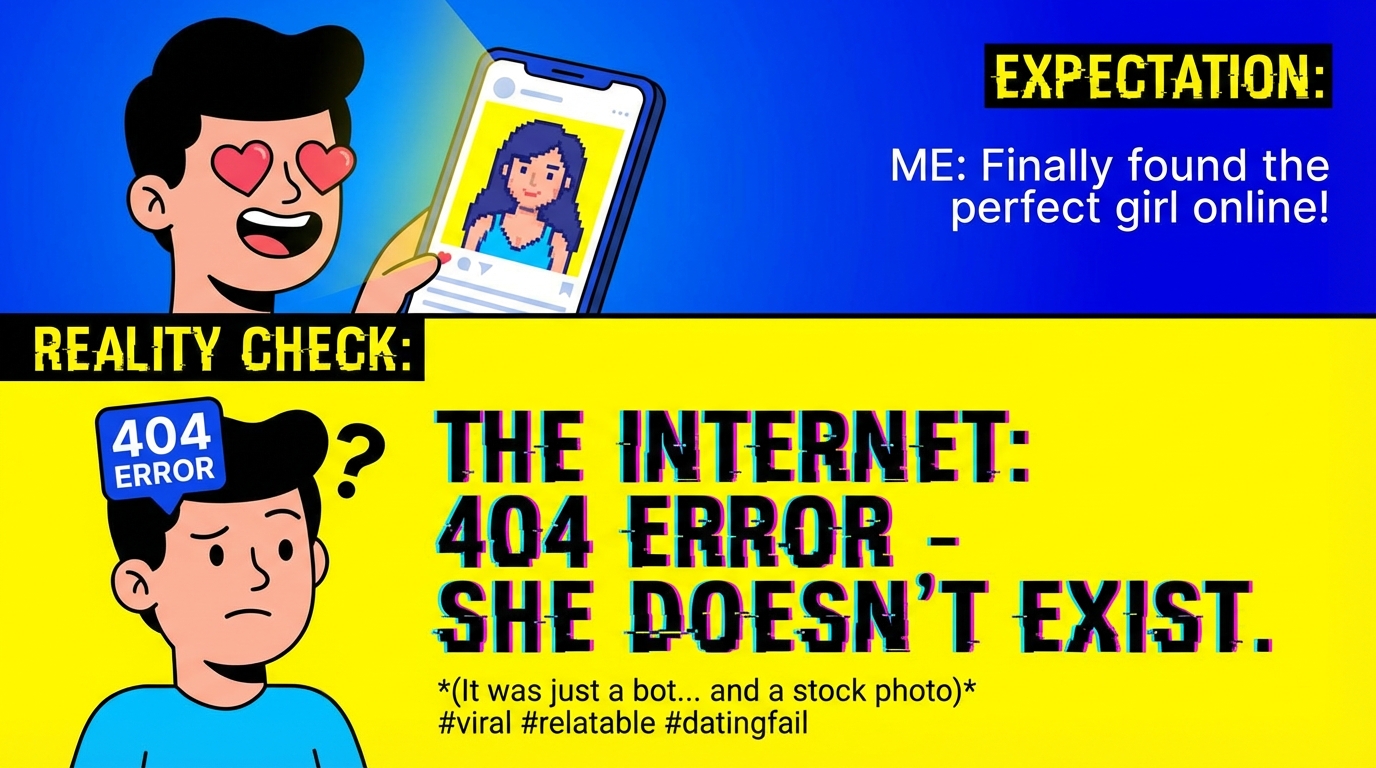
It's funny because we've all been there, scrolling past that one profile that feels less like a person and more like a mood board assembled by a focus group. Her hobbies are "avocado toast and sunsets." Her job is "creative." She's always in aesthetically coordinated loungewear, holding a mug in a spotlessly clean, plant-filled apartment. You just know her biggest problem is the filter not working on her latest cloud photo.
This trend is our collective defense mechanism against the pressure of online perfection. We're not mocking a real person; we're laughing at the absurd archetype. It's the digital equivalent of squinting at a magic trick and saying, "I see the wires." We've consumed so much content that we can now spot the vaguely inhuman, corporate-approved "vibe" from a mile away.
So next time you see an image that feels a little too serene, a little too generic, just remember the mantra. She doesn't exist. And honestly, that’s a relief—one less impossibly perfect person to compare ourselves to while we’re on the couch in stained sweatpants. The internet, for once, is choosing relatable chaos over fake calm.
Quick Summary
- What: The internet's viral skepticism toward AI-generated personas that appear too perfect to be real.
- Impact: It highlights our growing collective awareness and humor in questioning digital authenticity online.
- For You: You'll learn to spot AI-generated content and join the cultural conversation about digital trust.


💬 Discussion
Add a Comment